How Winter Conditions Affect Paint Durability in Troy
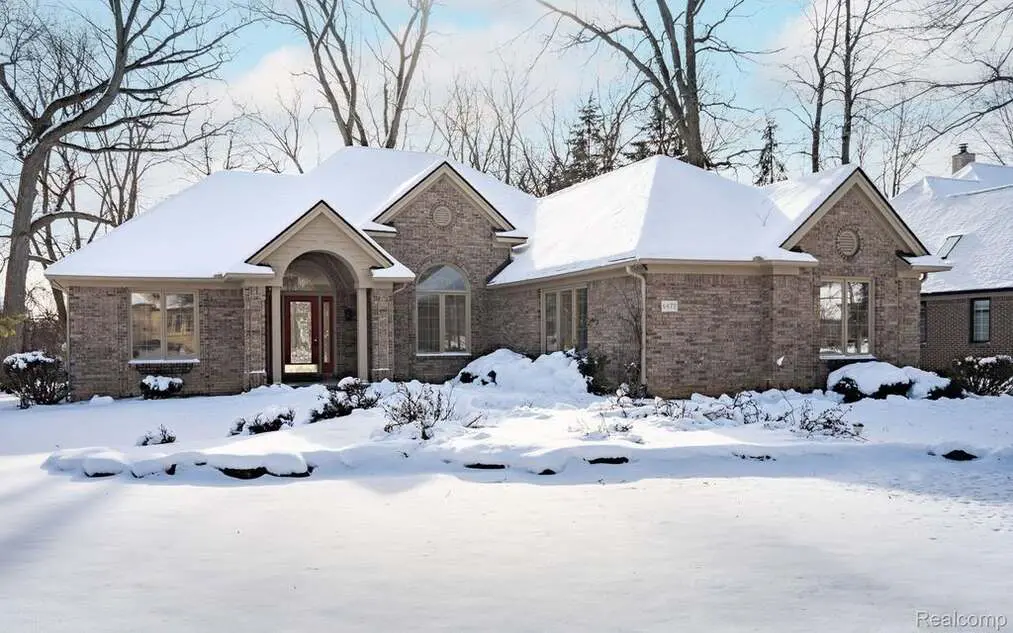
Troy’s winters are known for their intensity. Between bitter cold snaps and long stretches of snow and moisture, your home’s exterior endures constant stress. What many homeowners don’t realize is that these conditions do more than chill the air — they also break down even the best exterior paint over time.
If you’ve wondered how winter weather affects exterior paint durability, the answer lies in a mix of temperature, moisture, and surface performance. Cold-season weather patterns in Michigan can reduce paint adhesion, increase cracking, and speed up failure—especially on older homes or untreated siding.
In this guide, we’ll explore how Troy’s winter conditions directly affect your paint’s performance, why local homes face an added risk, and which professional strategies make a difference.
How Winter Weather Damages Exterior Paint
Troy’s winters are especially hard on painted surfaces, with multiple environmental stressors working together to break down coatings prematurely. Here’s how winter conditions compromise your home’s exterior paint over time.
Cold Temperatures Disrupt Paint Curing
Exterior paint needs proper curing conditions to bond to the surface and form a durable finish. When temperatures dip below optimal levels—especially under 50°F—curing slows dramatically or stops altogether.
If paint is applied during an unexpected cold front, it can fail to adhere properly. This often leads to:
- Flaking or peeling as the bond between paint and surface weakens
- Bubbling caused by trapped solvents that can’t escape during the cure
- Poor coverage and uneven sheen that affects the finish appearance
Even cold-rated products need careful application timing and controlled conditions. That’s why professionals use temperature-monitoring tools and adjust schedules accordingly.
Moisture Causes Peeling and Mold
During Michigan winters, snow and freezing rain bring persistent moisture. If that moisture penetrates the paint layer—especially around vulnerable seams or cracks—it can become trapped beneath the paint.
This trapped moisture softens the paint film and leads to:
- Peeling and blistering, especially near trim, soffits, and siding seams
Mildew or mold growth on surfaces that stay damp
Staining or bubbling from moisture intrusion
Moisture problems often go unnoticed until spring, when damage has already taken hold. That’s why winter prep and product choice are so critical.
Freeze-Thaw Cycles Break Down Surfaces
Troy homes often face weeks of freeze-thaw cycles — days that hover between freezing and above-freezing temperatures. As water expands and contracts inside wood or older siding, it stresses the painted surface.
Over time, this cycle causes:
- Hairline cracks in paint that worsen with each thaw
- Chipping or flaking around window sills, trim, and fascia boards
- Increased exposure of bare wood or substrate, leading to more serious damage
These small flaws allow more moisture in, setting off a chain reaction of deterioration throughout winter.
Snow and Ice Accumulate in Vulnerable Areas
Snow doesn’t just sit on roofs. It piles up around trim, ledges, gutters, and porch railings — especially on shaded or wind-protected sides of the house.
As it melts and refreezes, it leads to:
- Ice dams that push water under paint layers
- Constant dampness near joints and transitions
- Heavier loads on paint already weakened by age or poor adhesion
Snow buildup creates long-term exposure zones where paint is under stress for weeks at a time.
Why Troy Homes Are at Greater Risk
While winter can be tough on painted surfaces everywhere, homes in Troy face specific challenges that make paint failure more likely—and often faster.
Regional Winters Have High Moisture and Freeze Cycles
Southeast Michigan winters are known for their frequent freeze-thaw cycles, elevated humidity, and long periods of dampness. Even in mild years, moisture lingers on shaded walls for weeks.
This climate creates:
- Increased risk of trapped moisture under the paint film
- More expansion and contraction, weakening the bond between the paint and the surface
- Snow buildup that stays in place for longer around lower siding and trim
In combination, these conditions create more wear on paint—even if the home was painted fairly recently.
Professional Tactics to Prevent Cold-Weather Paint Failure
Preventing winter damage starts long before the first snowflake hits the siding. Professionals in Troy use specific tools, materials, and timing to ensure that cold-weather painting withstands Michigan’s unpredictable climate.
Moisture and Surface Testing Are Non-Negotiable
Experienced painters use moisture meters and infrared tools to test for dampness in siding and trim before any paint is applied. This is especially important after snow, heavy frost, or prolonged rain.
Even slightly damp surfaces can lead to:
- Blistering beneath the paint film
- Delayed curing, which weakens the bond
- Mold growth trapped under coatings
In cold seasons, painters wait for the right conditions—and confirm surface dryness—before moving forward.
Cold-Weather Coatings Are Formulated for Durability
Not all paints perform well in low temperatures. Professionals rely on cold-rated acrylic or elastomeric coatings designed to cure properly in weather as low as 35°F.
These coatings help prevent:
- Cracking from freeze-thaw expansion
- Peeling due to improper bonding in cold air
- Premature fading caused by surface tension
Products are chosen based on material type, exposure level, and seasonal conditions, ensuring a better finish and longer performance.
Timing, Priming, and Technique All Matter
Pros schedule jobs for dry, moderate days in late fall or early spring, avoiding deep freezes and heavy moisture. When conditions demand it, they:
- Use bonding primers that grip to slick or damaged surfaces
- Extend dry times between coats for better curing
- Work in small sections, especially in shaded or north-facing areas
In Troy’s climate, these steps are essential for keeping paint from fading in snow, sun, and everything in between.
How to Protect Exterior Paint from Troy’s Harsh Winters
Troy’s winter climate creates real challenges for paint longevity—from freezing temperatures to heavy moisture and persistent freeze-thaw cycles. These conditions weaken adhesion, crack paint films, and accelerate surface breakdown, especially on older homes with wood siding or decorative trim.
To recap, here’s what matters most:
- Cold weather slows paint curing and bonding
- Moisture buildup causes peeling and mold
- Freeze-thaw cycles create cracks and surface failure
- Snow and ice worsen hidden vulnerabilities
That’s why professional prep, product selection, and timing are essential. Experts use moisture testing, cold-rated coatings, and strategic scheduling to avoid the common problems homeowners face when painting in winter.
If your exterior paint is flaking, fading, or failing — or if you’re planning a repaint before spring — it’s worth talking to a pro who understands Troy’s seasonal challenges.
Get in touch to schedule a winter paint assessment and make sure your home stays protected through the coldest months.