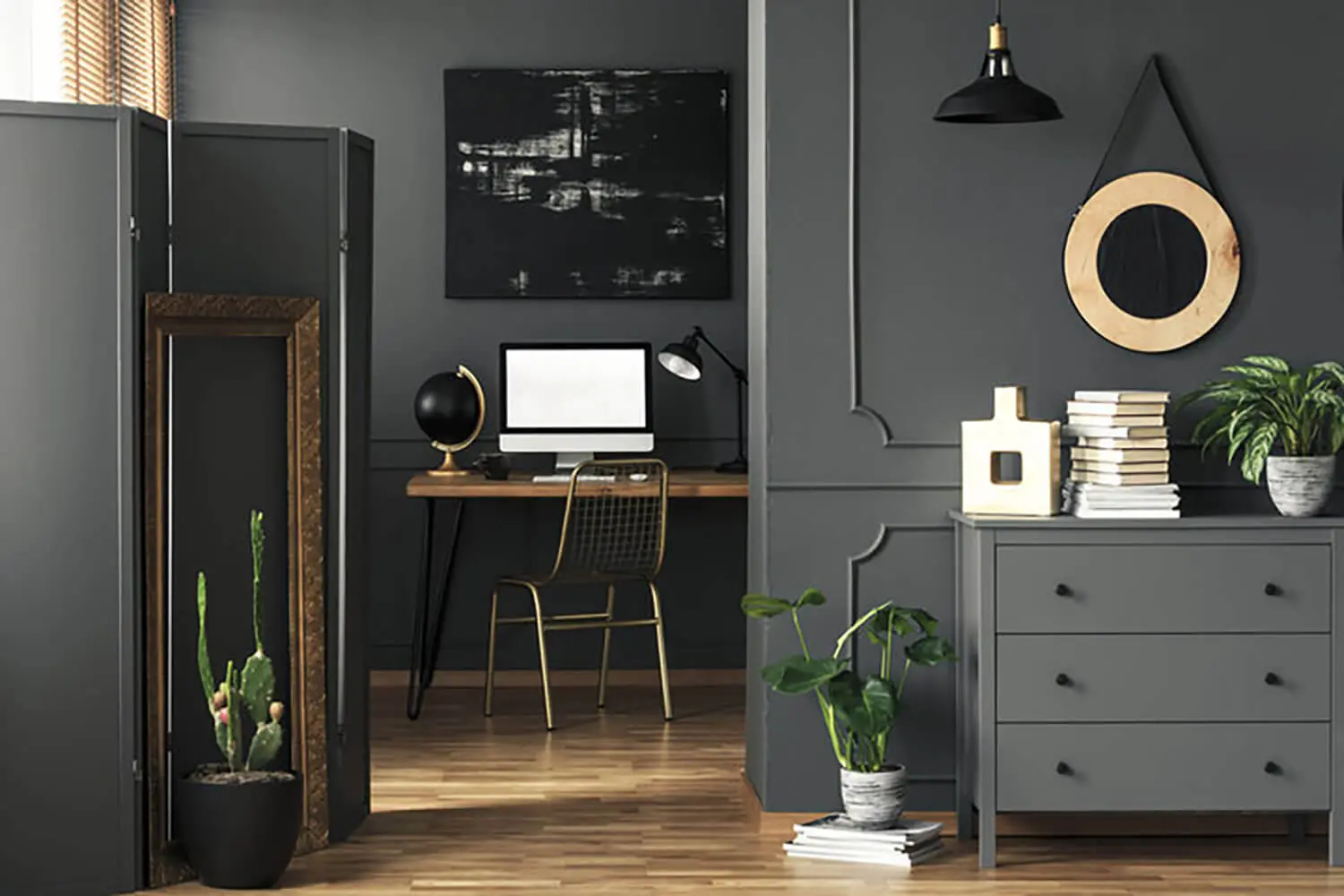
How to Choose the Right Paint Sheen for a Small Room

The size of a room influences more than just furniture placement — it also impacts how paint behaves on the walls. In compact spaces, paint color and finish work together to shape how light reflects, how textures appear, and how large (or small) the room feels.
Many homeowners focus on color selection alone. But choosing the wrong finish can make even a great color look flat, dull, or overwhelming in a smaller room. That’s why professional painters pay close attention to sheen — and why your project results depend on more than just swatches.
If you’ve been searching for the best paint sheen for small room walls, this guide breaks down what you need to know. From lighting conditions to surface texture, we’ll explain how different finishes affect the look and feel of compact spaces — and why expert application makes all the difference.
Understand the Role of Sheen in a Room’s Perception
Paint sheen controls how much light reflects off the surface — and that reflection changes how a room feels.
In small spaces, this effect is amplified. The wrong sheen can draw attention to flaws or make a room feel boxy. The right finish, however, can bounce light strategically, reduce visual clutter, and enhance depth.
Here’s how sheen affects space perception:
- Matte and flat finishes absorb light. They soften the walls and hide imperfections, but can make small rooms feel darker.
- Satin and eggshell sheens reflect a small amount of light, adding subtle brightness without showing surface flaws.
- Semi-gloss and gloss finishes reflect the most light. This can help brighten a room but may also highlight texture or patchy drywall.
Paint sheen doesn’t just affect brightness — it also influences how crisp edges look, how durable the surface feels, and whether the space appears closed in or expansive. That’s why it’s one of the first decisions professionals make when developing a paint plan for compact areas.
Every small room presents a different challenge, and light behavior changes depending on ceiling height, window placement, and even flooring type. Sheen selection needs to be intentional — not based on guesswork or default settings.
Top Paint Sheens for Small Rooms: Pros and Cons
Not all paint finishes behave the same — especially when applied in a small room. Each sheen has its own texture, reflectivity, and maintenance profile. Choosing the right one can either enhance the space or make it feel cramped and inconsistent.
Below is a breakdown of common finishes and how they typically perform in small interior rooms:
- Flat or Matte Finish
- Pros: Hides surface flaws, absorbs light, offers a soft, modern look.
- Cons: Difficult to clean, shows marks if scrubbed, not ideal for high-traffic areas.
- Best for: Low-traffic rooms like reading nooks or adult bedrooms with even lighting.
- Eggshell Finish
- Pros: Soft glow, more washable than matte, forgiving on walls with minor imperfections.
- Cons: Slightly reflective — may highlight seams or roller strokes if applied poorly.
- Best for: Guest rooms, hallways, or spaces that need both warmth and durability.
- Satin Finish
- Pros: Easy to clean, resists moisture, adds a touch of light without feeling glossy.
- Cons: Will reveal flaws if the walls are poorly prepped.
- Best for: Small bathrooms, laundry rooms, or kids’ bedrooms with active use.
- Semi-Gloss Finish
- Pros: Very durable and moisture-resistant, reflects a lot of light.
- Cons: Highlights every bump, dent, and brush stroke — requires perfect prep and application.
- Best for: Trim, doors, or accent walls — not typically recommended for all four walls in a small space.
Professional painters evaluate wall condition, room size, and lighting before recommending a sheen. Using the wrong finish can shrink the space visually or result in constant maintenance issues — especially when surfaces aren’t prepped correctly beforehand.
Sheen Selection by Room Type and Lighting
Room size matters — but so does how that space is lit. Natural and artificial lighting both affect how sheen looks, which means the same paint finish can behave very differently depending on where it’s used.
Below are real-world examples of how a professional painter might adjust finish choice based on room type and lighting conditions:
Guest Bedrooms with Low Natural Light
- Ideal Sheen: Eggshell
- Why It Works: Eggshell offers a slight glow without being reflective. It warms up shadowed corners and feels soft and inviting.
Small Bathrooms with Bright Overhead LEDs
- Ideal Sheen: Satin
- Why It Works: Satin is durable, moisture-resistant, and brightens the room without overwhelming the eyes. It also resists steam and water spots.
Home Offices with Large Windows
- Ideal Sheen: Matte or Low-Sheen Flat
- Why It Works: These finishes reduce glare on video calls and soften strong daylight, keeping the room comfortable and professional.
Children’s Bedrooms or Playrooms
- Ideal Sheen: Satin or Semi-Gloss on lower walls
- Why It Works: Easy to clean, resists fingerprints and scuffs. A split-finish wall treatment can combine form with function.
Interior Hallways With No Windows
- Ideal Sheen: Eggshell
- Why It Works: Reflects enough artificial light to make the space feel wider and less claustrophobic, without drawing attention to scuffed areas.
Lighting plays a massive role in how color and finish are perceived. Professional painters assess both direction and intensity of light before recommending the best finish — especially in smaller rooms where each wall surface becomes more prominent.
Why Professional Application Makes the Difference
Paint sheen might seem like a simple decision, but the success of any finish comes down to how it’s applied. In small rooms especially, application mistakes are magnified — and surface prep matters more than you might expect.
A professional painter brings the experience, equipment, and precision needed to apply the right finish cleanly and consistently. That includes:
- Identifying and correcting flaws in the drywall or trim before any paint is opened
- Using proper primer to ensure adhesion, especially for low-sheen finishes like matte or eggshell
- Applying paint evenly with the right tools — rollers, brushes, or sprayers — depending on wall size and texture
- Controlling lighting conditions during application to spot streaks, flashing, or roller marks before the paint dries
Lower-sheen finishes like matte can become blotchy if applied unevenly. Higher-sheen finishes will spotlight every imperfection if the surface isn’t prepped perfectly. These risks are amplified in smaller rooms where light bounces quickly and walls are viewed up close.
That’s why it’s not just about picking a finish — it’s about choosing a team that knows how to make that finish work best in your space.
Don’t Let the Wrong Sheen Shrink Your Space
When you’re working with limited square footage, every design choice matters — especially the finish on your walls.
The right paint sheen can brighten a dark room, hide imperfections, and make compact areas feel more open and inviting. But the wrong choice — or poor application — can do the opposite, drawing attention to flaws and making a small room feel even smaller.
Here’s the takeaway:
- Flat and matte finishes work well in calm, low-traffic areas but need careful application.
- Eggshell and satin sheens offer durability and soft light reflection — great for most compact living spaces.
- Lighting and surface prep must guide your decision, not just personal preference or color swatches.
Working with a professional painter ensures you get expert guidance on finish choice, surface prep, and flawless execution — all tailored to the exact conditions of your home.
Need help selecting the best finish for your space? Schedule a custom color and sheen consultation with a professional who can recommend the right products for your layout, lighting, and lifestyle.