
How to Avoid Paint Odors When Painting Indoors
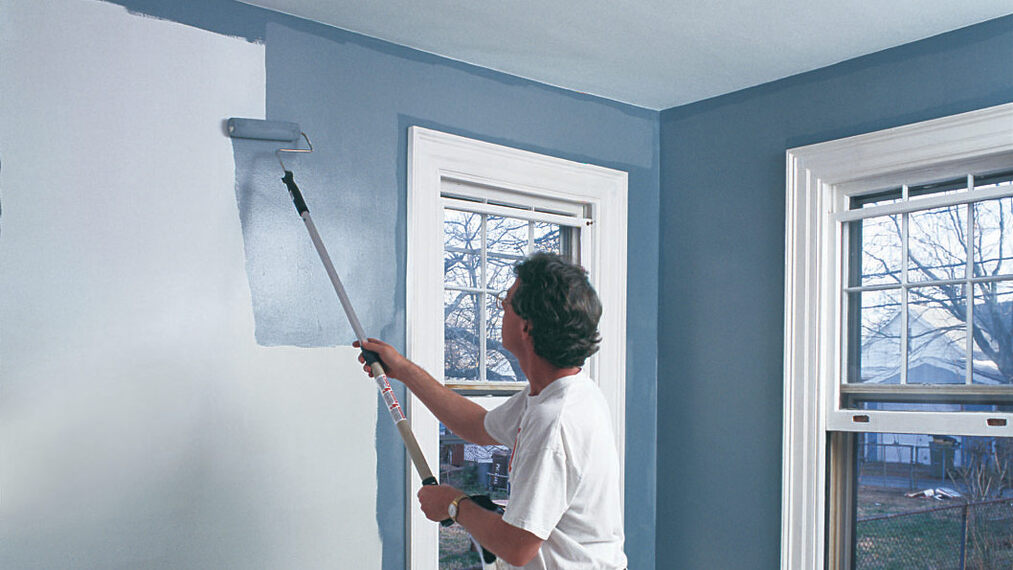
A fresh coat of paint can transform a room, but it often comes with an unwelcome side effect: lingering paint fumes. While the smell may seem like a temporary nuisance, it can cause discomfort, trigger allergies, and affect indoor air quality — especially in homes with poor ventilation or vulnerable occupants like children or seniors.
If you’ve been wondering how to get rid of paint smell in house without compromising your health or comfort, the solution goes beyond scented candles or cracking a window. Professional painters use advanced techniques, low-odor products, and ventilation tools to minimize paint-related odors from the start — making the entire experience easier, cleaner, and safer.
This guide breaks down why paint smells linger, what professionals do to manage them, and how you can ensure your next indoor painting project doesn’t stink — literally.
Why Indoor Paint Odors Are a Problem Worth Solving
Paint odor isn’t just unpleasant — it can impact comfort, health, and air quality for everyone in the home. While some people may only notice the smell as an annoyance, others experience symptoms like headaches, nausea, or respiratory irritation from exposure to lingering fumes.
Here’s why addressing paint odor matters:
- Health Concerns: Strong paint fumes often contain VOCs (volatile organic compounds), which can trigger allergic reactions or asthma in sensitive individuals.
- Indoor Air Quality: Without proper management, indoor paint odors can linger for days — affecting how fresh and breathable your home feels.
- Everyday Comfort: Even if you use your space regularly, the smell may discourage you from hosting guests or relaxing in freshly painted rooms.
- Long-Term Residue: Some paint types leave behind chemical scents that absorb into fabrics, drapes, or soft furniture if not properly contained during application.
This is why professional painters approach indoor painting with odor control in mind — not just for aesthetics, but for the wellbeing of the household. Good products, preparation, and containment strategies all make a noticeable difference.
Most Effective Ways to Get Rid of Paint Smell in a House
Lingering paint odor is a common issue after an indoor project — but with the right steps, it can be minimized or avoided altogether. Professional painters use a combination of strategies that go beyond just opening a window.
Here’s how they eliminate odor and protect indoor air quality from the start:
Start with Proper Ventilation and Air Circulation
Professional airflow setup is essential when managing paint fumes indoors.
- Experts seal off rooms not being painted to contain vapors.
- Exhaust fans pull odors outside instead of spreading them through the HVAC system.
- Airflow direction is controlled with fans and filtered vents to guide fumes out, not into adjoining rooms.
This approach prevents fumes from lingering in bedrooms, offices, or other living areas.
Without this level of control, even low-odor paints can leave behind strong smells that last for days.
Choose Low-VOC or Odor-Free Paint Products
Not all paints are created equal — even those labeled “low odor.”
- Low-VOC (volatile organic compound) formulas release fewer harmful fumes during drying.
- Zero-VOC paints are ideal for nurseries, bedrooms, or homes with sensitive occupants.
- Professionals know which brands perform best without sacrificing coverage or durability.
While DIY store shelves are full of options, a pro’s product selection is based on experience, not just marketing claims.
Prep Surfaces Correctly for Faster Curing
Improper prep can trap moisture, delay curing, and cause smells to linger.
- Walls must be clean, dry, and deglossed for paint to cure properly.
- Surfaces with residue or soap film can slow drying, allowing odor to build up.
- Pros ensure temperature, humidity, and substrate conditions meet manufacturer specs before starting.
Faster, more even curing means less odor — and a longer-lasting paint job.
Use Air Scrubbers or Seal Work Areas
Some projects require additional odor-control equipment.
- HEPA air scrubbers remove paint particles and fumes during and after application.
- Zip walls or plastic barriers seal off spaces to keep smells from migrating.
- Commercial-grade dehumidifiers or fans help speed drying without damaging finishes.
These aren’t tools most homeowners have access to — but they’re common on pro indoor jobs, especially in colder months.
When to Be Concerned About Lingering Paint Odors
Most indoor paint smells fade within 24–72 hours with proper airflow. If the odor sticks around longer, it may signal a bigger problem. Understanding when a lingering smell is no longer normal helps homeowners protect their air quality and health.
Here are situations where a lasting odor should raise a red flag:
- Odor persists beyond 3–4 days even with good ventilation and mild weather
- The smell gets stronger over time instead of gradually fading
- Headaches, irritation, or nausea develop in spaces where paint was applied
- Musty or chemical-like undertones linger, which could indicate mold or improper drying
In these cases, the issue may be more than just slow paint curing. Common underlying causes include:
- Trapped moisture beneath the paint film, often from poor surface prep
- Paint stored improperly or used beyond shelf life, causing chemical imbalance
- High humidity levels that prevent paint from curing properly
- Mold contamination triggered by covering damp surfaces too quickly
These risks are why professional surface prep and material handling are critical — not only for a great-looking result but also for a healthy home environment.
If the odor remains intense after a few days, it’s worth contacting a pro to inspect for issues. Sometimes odor signals more than just drying paint.
What to Remember When Trying to Get Rid of Paint Smell in a House
If you’re planning an indoor painting project, odor management shouldn’t be an afterthought. Knowing how to get rid of paint smell in a house starts with the right materials, expert preparation, and proper ventilation — not air fresheners or open windows alone.
To keep paint odors under control, remember these key takeaways:
- Ventilation matters most — strategic airflow and sealed-off work zones make the biggest difference in smell containment.
- Low-odor, low-VOC paints are worth the investment, especially in smaller or less-ventilated homes.
- Surface prep affects smell — damp drywall or greasy kitchen walls slow curing and intensify odor.
- Lingering odors may signal bigger problems, from poor product compatibility to moisture issues beneath the surface.
- Professionals use commercial tools like air scrubbers, dehumidifiers, and containment systems to reduce smell effectively.
Even with the right products, managing paint odor indoors requires more than DIY techniques. Trained painters can assess your space, choose the right coatings, and plan the project timeline to minimize disruption — and smell.
Need low-odor painting for winter or sensitive indoor spaces? Request a consultation to get expert insight and a cleaner, healthier painting experience from start to finish.

Leave a Reply