
Do Homes in Troy Require Special Prep for Cold Weather Painting?
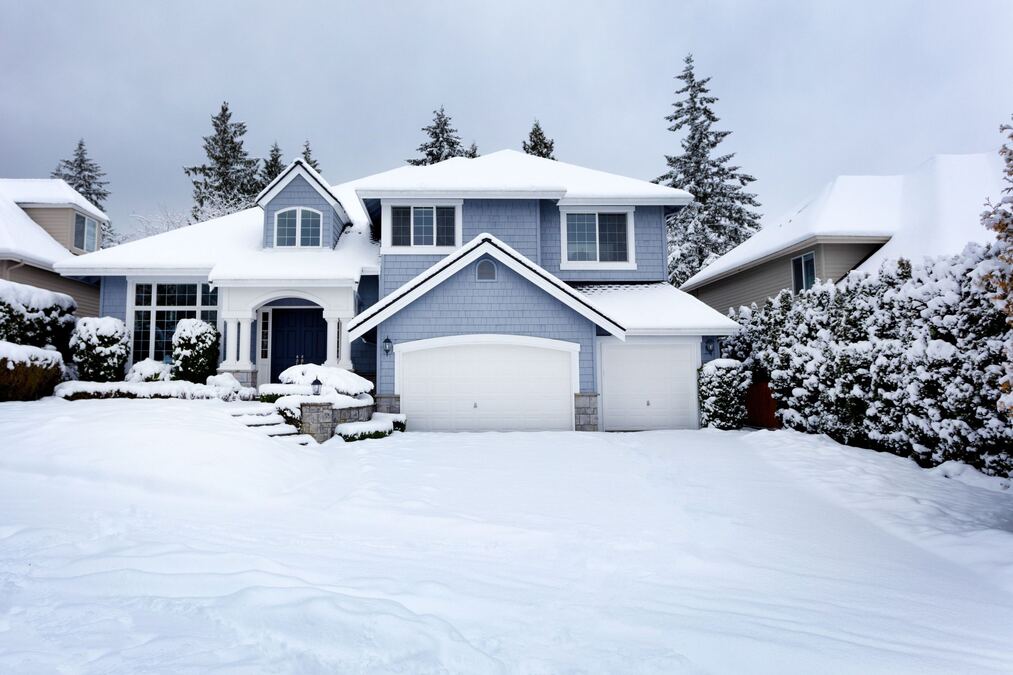
Painting the exterior of your home in cold weather might sound risky — and in some cases, it is. But with the right planning, materials, and expertise, late-season painting can still be successful, even in climates like southeast Michigan.
That success comes down to one thing: proper surface preparation. If you’ve been asking do you need special prep for painting in cold weather, the short answer is yes — especially in places like Troy, MI, where fluctuating fall temperatures, moisture, and older siding materials can complicate the job.
In this post, we’ll break down how cold weather affects exterior paint performance, what makes Troy homes unique, and why hiring professionals is key to protecting your home’s exterior before winter sets in.
Why Cold Weather Impacts Exterior Paint Performance
When temperatures drop, paint doesn’t behave the same way. Cold weather affects drying time, adhesion, and long-term durability — even if you’re using a high-quality product.
Here’s what changes once the temperature falls below 50°F:
- Drying slows down, which can cause paint to sag, streak, or stay tacky longer than expected.
- Adhesion weakens, especially on surfaces that haven’t been cleaned or dried properly.
- Moisture on surfaces (even if not visible) can trap water beneath the coating and cause future peeling.
- Paint chemistry breaks down, especially with water-based or standard exterior paints not rated for cold conditions.
That’s why professional painters use cold-weather-formulated coatings — specifically designed to cure at lower temperatures without sacrificing finish quality or longevity.
More importantly, crews working in late fall or early winter must constantly track dew point, surface temp, and sun exposure — not just the air temperature — before applying paint.
In short: colder weather doesn’t mean you can’t paint. It just means the process must be adjusted to account for real-world surface and weather conditions — starting with expert prep.
Troy’s Housing Stock and Weather: What Makes It Unique
Cold-weather painting gets more complicated in cities like Troy, Michigan, where the homes — and the climate — vary dramatically.
Here’s what makes local prep especially important:
- Many homes in Troy were built between the 1960s and early 2000s. That means varying surface types — from older wood siding to newer composite trims — each with different prep needs.
- Shaded lots and mature trees mean less sun exposure on certain elevations, which delays drying and increases the risk of lingering surface moisture.
- Freeze-thaw cycles begin earlier than homeowners expect. Even in late October, surfaces can drop below 35°F overnight and cause adhesion failures.
- Humidity from nearby lakes adds another layer of unpredictability. Even on dry days, excess moisture can remain trapped in porous materials.
Professionals in the Troy area understand how these factors impact timelines, prep strategy, and product choice. Without that local insight, a cold-weather paint job can turn into an expensive do-over by spring.
Professional Surface Prep Steps That Matter Most
A successful cold-weather paint job doesn’t begin with the brush — it begins with strategic surface preparation, tailored for seasonal conditions. In Troy, that prep phase is even more important due to moisture fluctuations and the variety of exterior materials.
Here are the key prep steps professionals follow when painting in cold conditions:
- Power Washing with Dry-Time Buffer
- Surfaces are pressure washed to remove mildew, dirt, and chalky residue.
- Crews then allow extra drying time — sometimes several days — to ensure all moisture evaporates before priming.
- Moisture Meter Testing
- Painters use moisture meters to detect unseen dampness in wood, trim, or composite siding.
- This ensures that the surface is fully cured and stable, which helps prevent bubbling and adhesion failure.
- Spot Repairs and Caulking During Warm Windows
- Exterior gaps and seams are sealed with cold-weather caulking.
- Timing is critical — this step is scheduled during daytime temperature spikes to ensure proper cure.
- Use of Cold-Weather Primers and Paints
- Only specialized products rated for 35°F–50°F application are used.
- These paints have modified binders that cure properly in fluctuating temps without sacrificing longevity.
- Monitoring the Forecast
- Pros track the hourly temperature, humidity, and overnight lows to avoid flash freezes after application.
- They also plan for ideal sun exposure to support even drying, especially on shaded or north-facing walls.
Cold-weather prep takes longer, but it’s essential. Without it, even the best materials won’t last through Michigan’s freeze-thaw cycles — leading to costly failures before spring.
Why This Is Not a DIY-Friendly Job
Painting a house during fall or early winter might sound manageable — but it involves more than just picking the right paint. Without specialized tools, seasonal experience, and product knowledge, most DIY cold-weather jobs fail within months.
Here’s why late-season painting in Troy should always be left to professionals:
- Temperature changes require flexibility. Homeowners often don’t have time to wait for a warm afternoon or pause mid-project for weather.
- Specialty materials are not off-the-shelf. Cold-weather primers and paints are expensive and often require professional accounts to access.
- Ladder safety becomes critical. Frost, wind, and uneven footing increase risk — especially when working on trim or gables.
- Timing mistakes are costly. One day of applying paint below the required temp can result in peeling, cracking, or uneven curing.
- Proper prep takes longer. DIYers often rush or skip steps like moisture checks, which are essential for lasting adhesion.
Even highly motivated homeowners can find themselves repainting the same surfaces again in spring — or worse, dealing with rot, mold, or siding damage caused by trapped moisture. That’s why hiring a professional crew with local experience and proper scheduling tools is essential when working late in the season.
Cold Weather Prep in Troy Is All About Timing and Expertise
Painting in cold weather isn’t off the table — but it’s not business as usual either. For homeowners in Troy, MI, local weather patterns and diverse home exteriors create extra variables that must be accounted for before a brush ever hits the wall.
Here’s what we’ve covered:
- Cold temps, humidity, and moisture require specific prep strategies to ensure paint bonds and cures correctly.
- Homes in Troy often feature wood or composite siding that reacts poorly to skipped or rushed prep work.
- Professionals bring the tools, products, and seasonal know-how to complete cold-weather projects without cutting corners.
- DIY painting in late fall can lead to peeling, cracking, and costly repairs by spring.
If your home needs exterior updates before winter sets in, now is the time to act. A professional consultation ensures that every surface is evaluated, and a timeline is built around your property’s needs — not just the forecast.
Want to get ahead of the cold? Book a seasonal inspection with a local expert and learn what prep your home may need before it’s too late.

Leave a Reply