Pro Painters LTD • finishing services

Specialty Finishes

our approach

Specialty Finishing For Residential and Commercial Spaces.

Our process relies on creating physical samples to refine the color, sheen, and overall effect until the direction is established. When needed, we adjust stain colors and finish samples on site. This allows the homeowner and design team to review the finish in the property’s actual light.
our finish techniques
Custom stains, high-gloss systems, metallic effects, and other specialty finishes for interiors and architectural details.

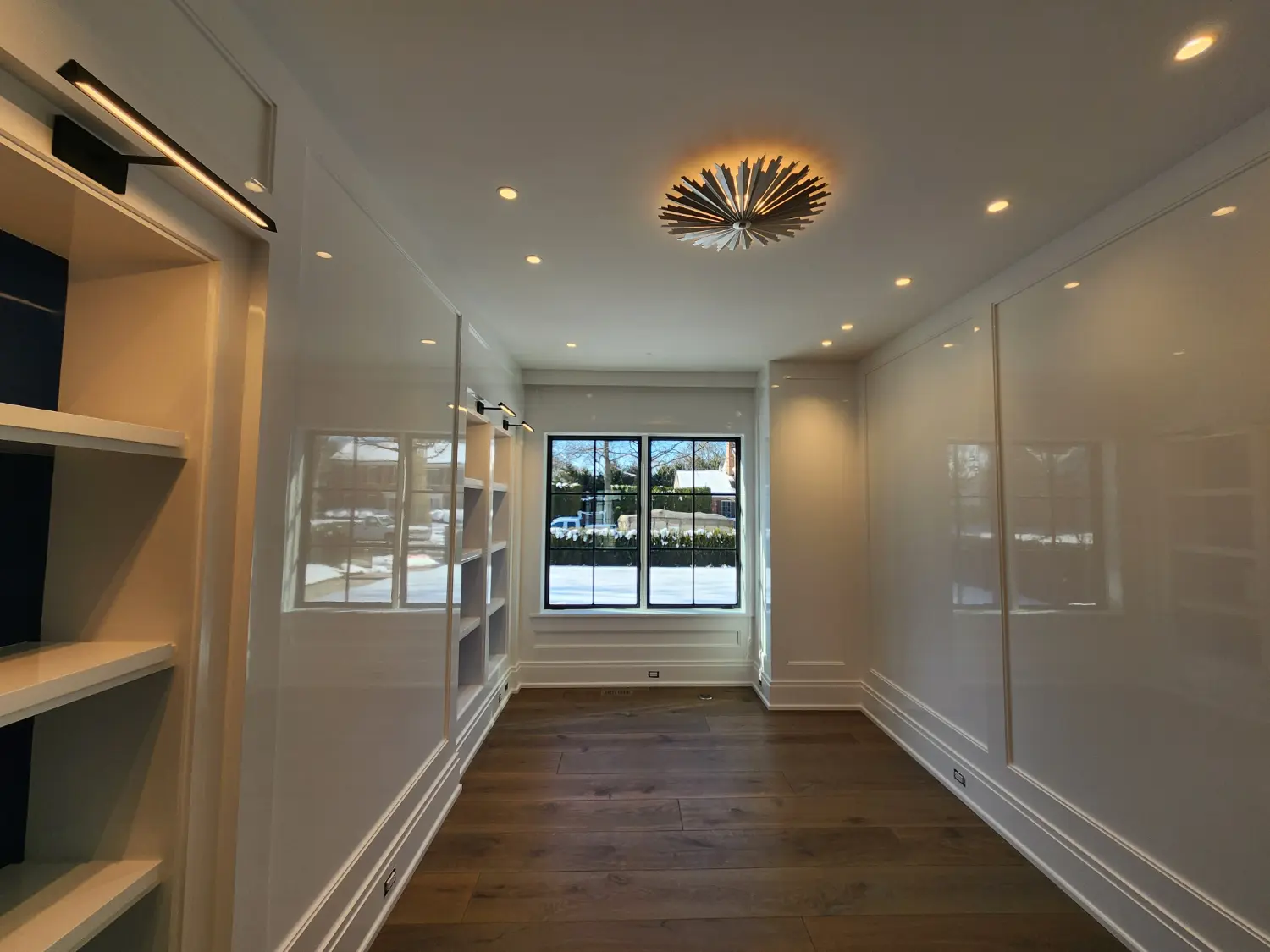
High-Gloss Architectural Finishes

High gloss requires the highest level of surface preparation and application control because every substrate imperfection shows through. When executed correctly, it produces some of the most striking finishes available in residential interiors.

Automotive Metallic Finishes

Automotive metallic finishes bring a reflective, dimensional quality to architectural surfaces. They require a carefully prepared surface so the metallic particles reflect evenly. The coating is applied in controlled layers and completed with a clear coat to protect the finish and create depth.

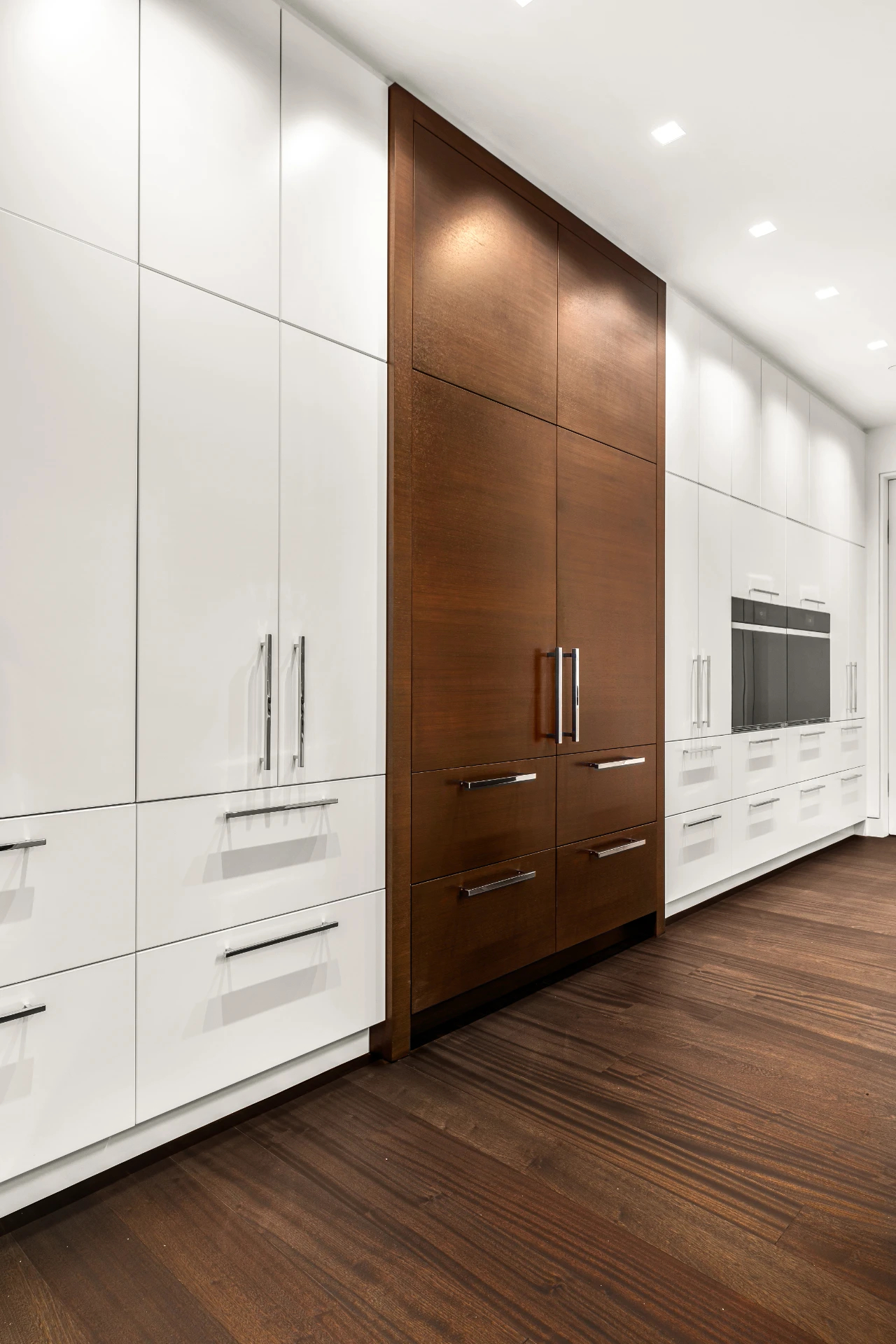
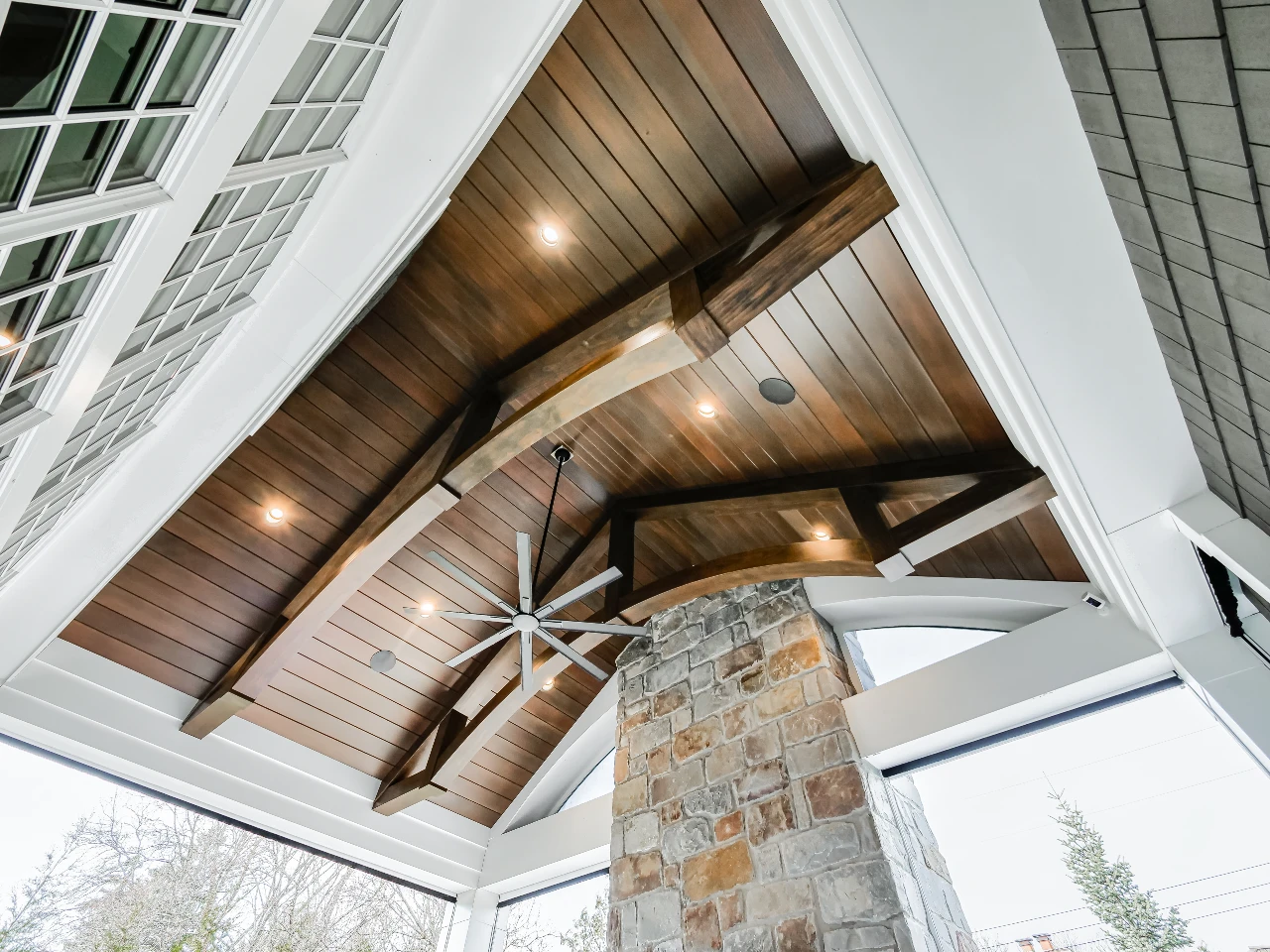
Custom Stains and Wood Finishes

We develop custom stains for the specific woodwork and surrounding materials. Color can be adjusted on site with the homeowner and design team until the tone works within the room's actual light and overall material palette.

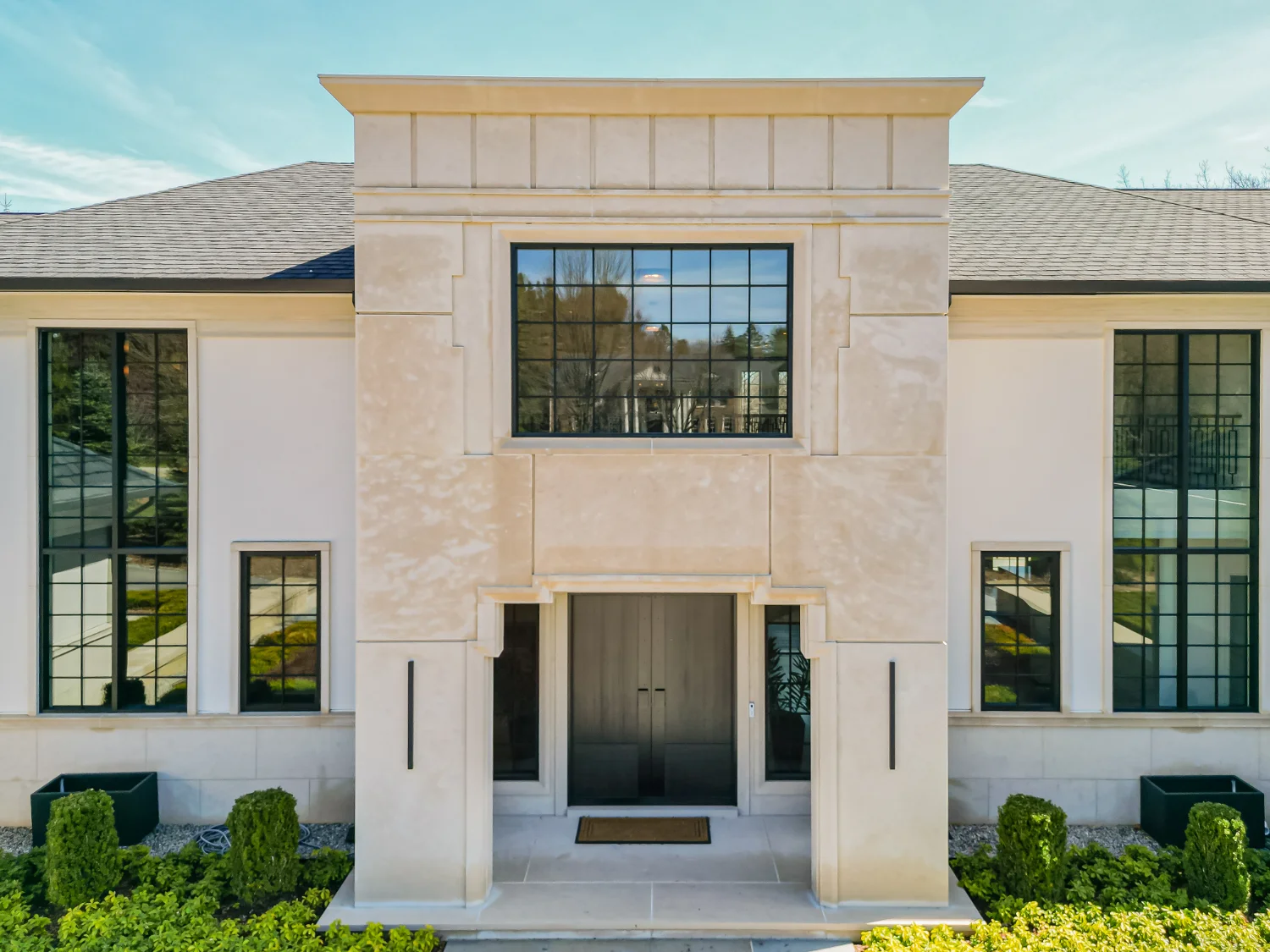
Exterior Limewash and Masonry Finishes

Limewash and mineral-based finishes offer an alternative to conventional paint on brick and masonry. These finishes become part of the mineral surface rather than sitting on top as a standard paint film, helping preserve the material's character and natural variation.

WHAT WE EVALUATE

The Right Finish Begins With
The Right Assessment.

01

SURFACE, SUBSTRATE, AND PROFILE

Specialty finishes begin with the material beneath them. Existing coatings, repairs, grain, porosity, architectural profiles, and surface flatness determine whether the work requires stripping, filling, water-popping, priming, or repeated block sanding.

02

FINISH SYSTEM AND SAMPLE DEVELOPMENT

The coating schedule is built around the intended result. Color, sheen, depth, movement and reflection are tested through samples under the project’s actual lighting before the primer stages, layer count and application method are established.

03

APPLICATION CONDITIONS AND FINAL USE

Temperature, humidity, ventilation, access and surrounding materials affect how each finish is applied and cured. Daily use and maintenance requirements also determine durability needs and whether components are finished on site or in the climate-controlled spray facility.
our materials

The Materials impact the quality of the finish.

We formulate stains and finish colors in-house from raw colorants, binders, and vehicles, rather than selecting from a pre-mixed line. Every job gets its own formula, adjusted for the client until the color is confirmed in the room it will live in.

Our coatings come from a carefully chosen portfolio of European and American manufacturers, each chosen for specific performance properties: adhesion, hardness, chemical resistance, color stability. These are commercial-grade systems that require professional equipment and a controlled environment to perform as specified.

FINISH-DRIVEN spaces

When The Finish is The Room.

FINISHES WE APPLY

Specialty finishing begins beneath the final coat. High-gloss surfaces require additional primer layers, block sanding, and contrasting guide coats that reveal microscopic high and low areas. Each cycle progressively flattens the surface, reducing the orange-peel texture that would interrupt the reflection.

Custom stains may require water popping to open the wood grain before the color is developed and refined. Metallic and mineral systems require equally specific preparation, application, and compatibility with the underlying material.

The completed finish may be mirror-like, deeply stained, softly layered, or patina in appearance. Across every plane and transition, the result remains deliberate and visually inviting.

Frequently Asked — Specialty Finishes
FREQUENTLY ASKED

Specialty Finishes, Answered.

What counts as a specialty finish?

Anything outside standard wall painting, including high-gloss, metallic finishes, limewash, Venetian plaster, decorative and faux finishes, mineral masonry coatings, and custom stain work. We evaluate each on its own terms against the substrate, technique, and result the client wants.

Why does high-gloss take longer than standard painting?

Beyond the standard prep and primer sequence, high-gloss surfaces get three additional primer coats, with block sanding between each to flatten the surface, rather than smoothing it, before color goes on. This removes the microscopic high points that would otherwise show as orange peel under gloss. A guide coat (primer in an alternating color) confirms the surface is level before spraying the finish.

What does a high-gloss project typically involve?

A single foyer can run into the thousands of hours. Over the last 4 years, project scopes have expanded from single rooms to full multi-story foyers and complete office build-outs.

What's an automotive-inspired finish?

A metallic coating system developed first for automotive finishing technology, then adapted for building architecture. It is applied to columns, millwork, and other interior or exterior details, then clear-coated for depth and reflection.

How is mineral masonry different from painted brick?

Conventional paint eventually peels off masonry. A mineral-based coating bonds to the surface, instead of sitting on top of it, so it doesn't peel the same way over time.

How are custom stains developed?

Stains are mixed and tinted in-house from raw colorants, binders, and vehicles, rather than pulled from a pre-mixed line, and adjusted on site until the tone works in the room's actual light and material palette.

Can you match a specialty finish already used elsewhere in the home?

Yes. Existing finishes, designer color codes, or physical samples can all be used as a matching reference for new work.

How does the sample process work?

Physical samples come first. We refine sheen, color, and effect on site before finalizing direction.

What materials do you use for specialty work?

Product selection depends on the technique and substrate. Depending on the project, specifications may include ICA, Sayerlack, Siraa, Milesi, M.L. Campbell, Benjamin Moore, Sherwin-Williams, or Fine Paints of Europe.

Do you coordinate with designers and architects on specialty finishes?

Yes. We coordinate material data sheets, finish schedules, and sample approvals with the project team before work begins.

How is a specialty finish quoted?

After we review the substrate, technique, and scope. Specialty work is priced differently from standard painting because it requires added prep, sampling, and application time.

Are specialty finishes covered under warranty?

Yes. Pro Painters LTD provides a standard 5-year workmanship warranty on all qualified projects, including specialty finishes, because our process earns it.